Přečtete na zařízeních:

  • Pocketbook
  • Kindle
  • Smartphone nebo tablet s příslušnou aplikací
  • Počítač s příslušnou aplikací

Nelze měnit velikost písma, formát je proto vhodný spíše pro větší obrazovky.

Více informací v našich návodech

Přečtete na zařízeních:

  • Pocketbook
  • Kindle
  • Smartphone nebo tablet s příslušnou aplikací
  • Počítač s příslušnou aplikací

Více informací v našich návodech

Přečtete na:

Nepřečtete na:

Jak číst e-knihy zabezpečené přes Adobe DRM?
Přečtená
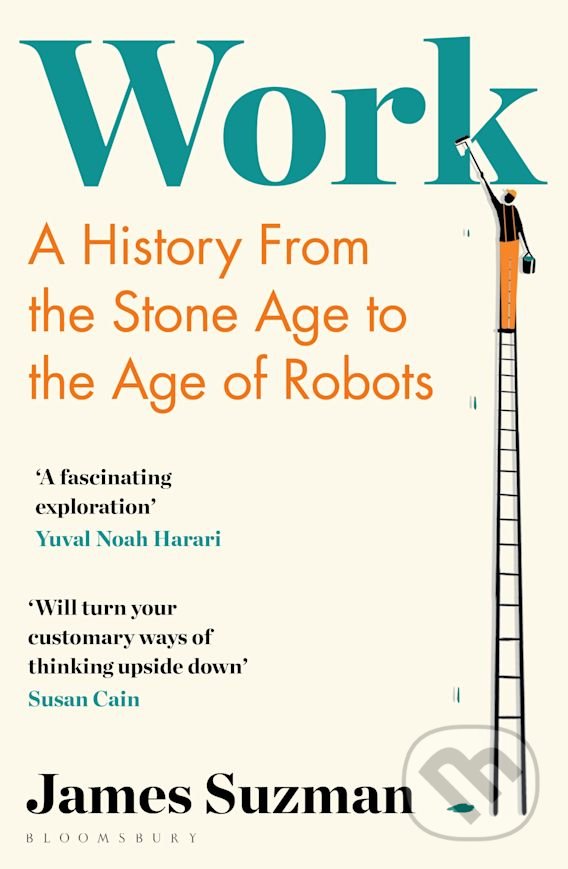
Kniha: Work (James Suzman). Bloomsbury, 2021
Přečtená
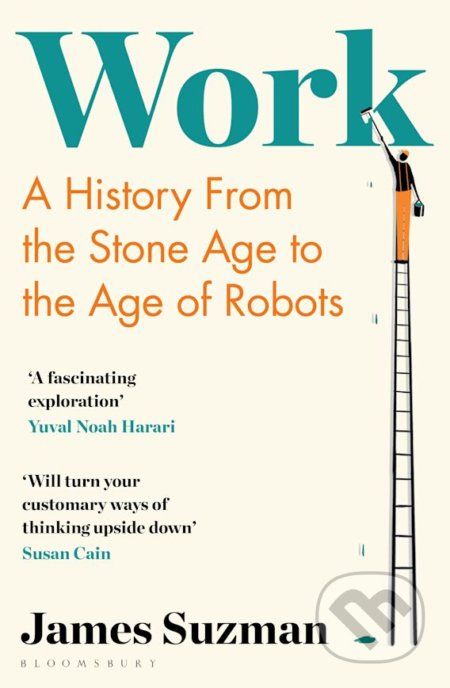
Kniha: Work (James Suzman). Bloomsbury, 2021

Work
Přečtená

A History from the Stone Age to the Age of Robots

A revolutionary new history of humankind through the prism of work, from the origins of life on Earth to our ever-more automated present... Číst víc

4,7 3 hodnocení
Nakladatel
Bloomsbury, 2021
Počet stran
464

A revolutionary new history of humankind through the prism of work, from the origins of life on Earth to our ever-more automated present... Číst víc

  • Brožovaná vazba
  • Mírně opotřebovaná
    Tuto knihu jsme vykoupili přes Knihovrátek a je mírně opotřebovaná.Na této knize už je sice znát, že ji někdo četl, může jí chybět přebal, ale není poškozená tolik, aby to jakkoliv snižovalo zážitek z jejího obsahu. Knihu jsme označili nálepkou, která může na některých obalech zanechat stopy.
  • Angličtina
Cena: 194 Kč
Cena nové knihy 392 Kč
Skladem
Posíláme ihned
Tuto knihu máme sice aktuálně na skladě, zbývají ale už jen poslední kusy. Pokud ji chcete rychle, pospěšte si!
Další přečtené knihy
  • Kniha: Práce (James Suzman). Host, 2021
    Pevná vazba
    Výborný stav
    Tuto knihu jsme vykoupili přes Knihovrátek a je ve výborném stavu.Rozdíl mezi touto knihou a novou byste asi ani nepoznali. Knihu jsme označili nálepkou, která může na některých obalech zanechat stopy.
    Čeština, 2021
    Skladem
    Tuto knihu máme sice aktuálně na skladě, zbývají ale už jen poslední kusy. Pokud ji chcete rychle, pospěšte si!

    323 Kč

Přečtené knihy nám můžete poslat i vy!

Pošlete nám svoje přečtené knihy a získejte poukázku na nákup.

Vyzkoušet Knihovrátek

Proč nakupovat knihy na Martinus.cz?

  • Tituly skladem doručujeme do druhého dne
  • Knihomolská záložka ke každému nákupu
  • Více než 9 000 výdejních míst

Naši skřítci doporučují

Případy Kim Stoneové pokračují. Kniha Zlá krev, Angela Marsons. NAKLADATEL Kalibr, 2026. Chci si přečíst.

Více o knize

A revolutionary new history of humankind through the prism of work, from the origins of life on Earth to our ever-more automated present.

The work we do brings us meaning, moulds our values, determines our social status and dictates how we spend most of our time. But this wasn't always the case: for 95% of our species' history, work held a radically different importance.

How, then, did work become the central organisational principle of our societies? How did it transform our bodies, our environments, our views on equality and our sense of time? And why, in a time of material abundance, are we working more than ever before?

Našli jste chybu nebo škodlivý obsah? Dejte nám, prosím, vědět!

Nahlásit chybu nebo škodlivý obsah

Máte o knize více informací než je na této stránce nebo jste našli chybu? Budeme vám velmi vděční, když nám pomůžete s doplněním informací na našich stránkách.

Hodnocení

4,7 / 5
2
1
0
0
0

Jak se líbila kniha vám?

Čtenářské recenze

Ověřený nákup
22.10.2025
Work, Job....
Skvelá non- fiction kniha o róm, ako človek začal pracovať a ako sa práca a odmena za ňu stali hlavným motorom našich životov, snov a túžob.
reagovat
Ověřený zákazník
26.4.2023
Ak by som hodnotil len prvú tretinu/možno až polovicu knihy, dával by som asi menej *, lebo tá časť sa viac ako na kultúrnu antropológiu ponáša na prírodné vedy - fyziku, biológiu. Skrátka, tento autor berie pojem "práce" skutočne z evolučnej perspektívy, začína vznikom mikroorganizmov a pod.
Hoci sa pomerne dlho zdržuje v najstarších dejinách, akonáhle sa dostane k neolitickej revolúcií, kniha je väčšmi pútavá pre fanúšika histórie a spoločenských vied. Rýchlo prejde starovekom a stredovekom k revolúcii industriálnej a mnohým zaujímavým aspektom fenoménu práce v moderných dejinách a súčasnosti.
Za mňa priemer 3,5*, hoci posledná tretina kľudne 5.
V pamäti utkvie napr. fenomén smrti z prepracovania, čoraz rozšírenejší medzi čím ďalej mladšími ľuďmi, najmä v Ázii, ale nezriedka aj na Západe.
Ověřený zákazník
2.10.2021
Highly informative and thought-provoking
You'd think that the title suggests a chronological account of how we came to the concept work, but, this is not the case. I wanted to say 'unfortunately', but it is just the perspective that the author chose to take. You'd think that the author would speculate on how humans' thinking gradually progressed as they proceeded from the work on tools to food processing, agriculture and architecture. Rather, the author tackles the issue through different topic-based chapters and only towards the conclusion of the book do we begin to understand our state of mind when it comes to economy.

The author points out that our ancestors (based on observations of present-day hunter-gatherer tribes) spent considerably less time working than we do now,thereby having more time for other activivities, such as art and procreation. Thus, in evolutionary terms, contemporary humans are as much a product of leisure as labour. The book is basically devoted to pre-industrial (through industrial) to post industrial world.

Surprisingly, the author taps into psychological aspects of work: workoholism in particular as a modern phenomenon unknown to foragers. He ponders that once viewed as physical labour, activities like garderning or fishing are now frequently considered leisure pursuits. I also appreciate mentioning and comparing slavery to exploitation of animals, both of which constitue hard labour.

Finally, the author points out the vulnerability of current jobs as being under palpable imminent threat of replacement by AI. Another pressing issue the humankind is facing is the economic question, i.e. the unsustainability of the perpetual demand for and preoccupation with economic growth, which is, inter alia, associated with a series of environmental consequences. The quintessential question thus comes to mind: how will we organise ourselves economically in the future? We cannot just go back to foraging even if we know that this is by far the most sustainable and viable option.

Overall, I find this book highly informative and though-provoking. There is only one drawback I'd like to mention, particularly that in my view some of the passages were unnecessarily detailed, i.e. tool-making, but, when I think about it, this might be just because I am not an anthropologist myself.

Prázdná ranní knihovna má v sobě něco, co mě vždycky hluboce zasáhne. Tiše a klidně tu odpočívají všechna slova, všechny myšlenky.
Kniha: Kafka na pobřeží (Haruki Murakami), 2017
Kafka na pobřeží
  • Haruki Murakami