Přečtete na zařízeních:

  • Pocketbook
  • Kindle
  • Smartphone nebo tablet s příslušnou aplikací
  • Počítač s příslušnou aplikací

Nelze měnit velikost písma, formát je proto vhodný spíše pro větší obrazovky.

Více informací v našich návodech

Přečtete na zařízeních:

  • Pocketbook
  • Kindle
  • Smartphone nebo tablet s příslušnou aplikací
  • Počítač s příslušnou aplikací

Více informací v našich návodech

Přečtete na:

Nepřečtete na:

Jak číst e-knihy zabezpečené přes Adobe DRM?
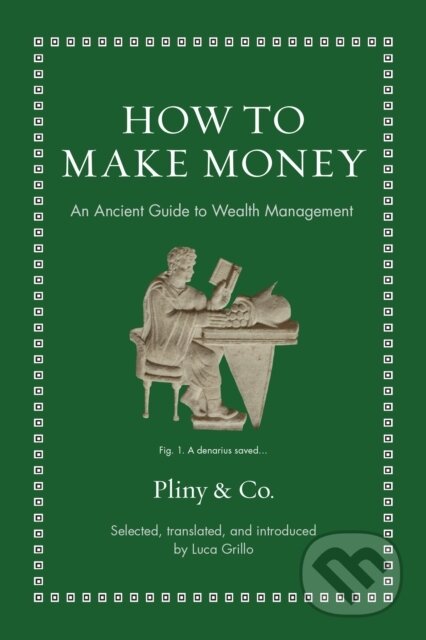
Kniha: How to Make Money (Pliny the Elder). Princeton University Press, 2024

How to Make Money

An Ancient Guide to Wealth Management

An enriching collection of classical writings about how ancient Romans made—and thought about—moneyAncient Romans liked money. But how did they make a living and sometimes even... Číst víc

Série
Ancient Wisdom for Modern Readers
Nakladatel
Princeton University Press, 2024
Počet stran
248

An enriching collection of classical writings about how ancient Romans made—and thought about—moneyAncient Romans liked money. But how did they make a living and sometimes even become rich? The Roman economy was dominated by agriculture, but it was... Číst víc

  • Pevná vazba
  • Angličtina
Cena: 360 Kč
U dodavatele
Posíláme do 8 – 13 dnů
Tuto knihu momentálně nemáme na skladě, ale většinou vám ji dokážeme sehnat a odeslat do 8 – 13 dnů. A pokusíme se to zvládnout i o něco rychleji!

Potřebujete poradit knihu?

Zeptejte se online knihkupce!

Knihomolský pomocník

Proč nakupovat knihy na Martinus.cz?

  • Tituly skladem doručujeme do druhého dne
  • Knihomolská záložka ke každému nákupu
  • Více než 9 000 výdejních míst

Naši skřítci doporučují

Jedno knihkupectví. Čtyři knihy. Čtyři příběhy. Kniha Páteční knihkupectví, Sawako Natori. NAKLADATEL Host, 2026. Chci si přečíst.

Více o knize

An enriching collection of classical writings about how ancient Romans made—and thought about—moneyAncient Romans liked money. But how did they make a living and sometimes even become rich? The Roman economy was dominated by agriculture, but it was surprisingly modern in many ways: the Romans had companies with CEOs, shareholders, and detailed contracts regulated by meticulous laws; systems of banking and taxation; and a wide range of occupations, from merchant and doctor to architect and teacher. The Romans also enjoyed a relatively open society, where some could start from the bottom, work, invest, and grow rich. How to Make Money gathers a wide variety of ancient writings that show how Romans thought about, made, invested, spent, lost, and gave away money. The Roman elite idealized farming and service to the state but treated many other occupations with suspicion or contempt, from money lending to wage labor. But whatever their attitudes, pecunia made the Roman world go round. In the Satyricon, Trimalchio brags about his wealth. Seneca accumulated a fortune—but taught that money can’t buy happiness. Eumachia inherited a brick factory from her father, married well, and turned to philanthropy after she was widowed. How to Make Money also takes up some of the most troubling aspects of the Roman economy, slavery and prostitution, which the elite deemed unrespectable but often profited from. Featuring lively new translations, an illuminating introduction, and the original Latin and Greek texts on facing pages, How to Make Money offers a revealing look at the Roman worlds of work and money.
Naše katalogové číslo
3104851
Originální název
How to Make Money
Počet stran
248
Vazba
pevná vazba
Rozměr
123×178 mm
Hmotnost
246 g
ISBN
9780691239125
Datum vydání
4. 6. 2024
Jazyk
angličtina
Série
Ancient Wisdom for Modern Readers
Nakladatel
Princeton University Press
Kategorizace

Našli jste chybu nebo škodlivý obsah? Dejte nám, prosím, vědět!

Nahlásit chybu nebo škodlivý obsah

Máte o knize více informací než je na této stránce nebo jste našli chybu? Budeme vám velmi vděční, když nám pomůžete s doplněním informací na našich stránkách.

Hodnocení

Jak se líbila kniha vám?

Když člověk ponižuje, pak jen proto, že je sám nízký.
Kniha: Malý princ (Antoine de Saint-Exupéry), 2022
Malý princ
  • Antoine de Saint-Exupéry